Material Created By-Bateman Worm
As a moms and dad, you might question when your kid needs to see a pediatric eye doctor. It is very important to recognize the indications of prospective vision issues, like squinting or constant migraines. You'll want to ensure your child gets the appropriate analyses at essential ages. Understanding these guidelines can assist you take aggressive steps for their aesthetic health and wellness. But what details signs should you try to find, and what solutions are offered?
Common Indicators of Vision Issues in Kid
When you notice your youngster scrunching up your eyes, massaging their eyes, or having a hard time to focus on distant items, it might be time to consider their vision health. These indicators can suggest underlying problems that need focus.
You could also see them avoiding reading or close-up tasks, frequently tilting their head, or experiencing headaches after school. If your youngster seems easily distracted or has trouble following moving things, it might signify a vision issue too.
In Children's Vision Specialist , if they usually cover one eye or experience difficulty with deepness understanding, it's vital to act. Being positive concerning these signs and symptoms can result in timely interventions, guaranteeing your kid's vision develops correctly and supporting their learning and everyday tasks.
Don't hesitate to consult a pediatric ophthalmologist if you're concerned.
Age-Specific Standards for Eye Exams
Eye exams are vital at numerous stages of your kid's advancement, and recognizing when to schedule them can make a huge difference.
For babies, it's recommended to have their first eye test at six months. https://giphy.com/channel/pediatriceyespecialists helps catch any possible problems early on.
As your kid approaches age 3, a detailed test is essential to examine their vision and eye placement.
Once they begin school, around age 5 or 6, ensure they've one more test to look for vision changes that can influence knowing.
Afterwards, regular eye exams every one to two years are generally sufficient, unless your youngster has certain worries or risk factors.
Remaining proactive with these standards aids preserve your youngster's aesthetic wellness for a life time.
Solutions for Common Pediatric Vision Issues
Attending to common pediatric vision concerns early can substantially improve your youngster's quality of life and discovering experience.
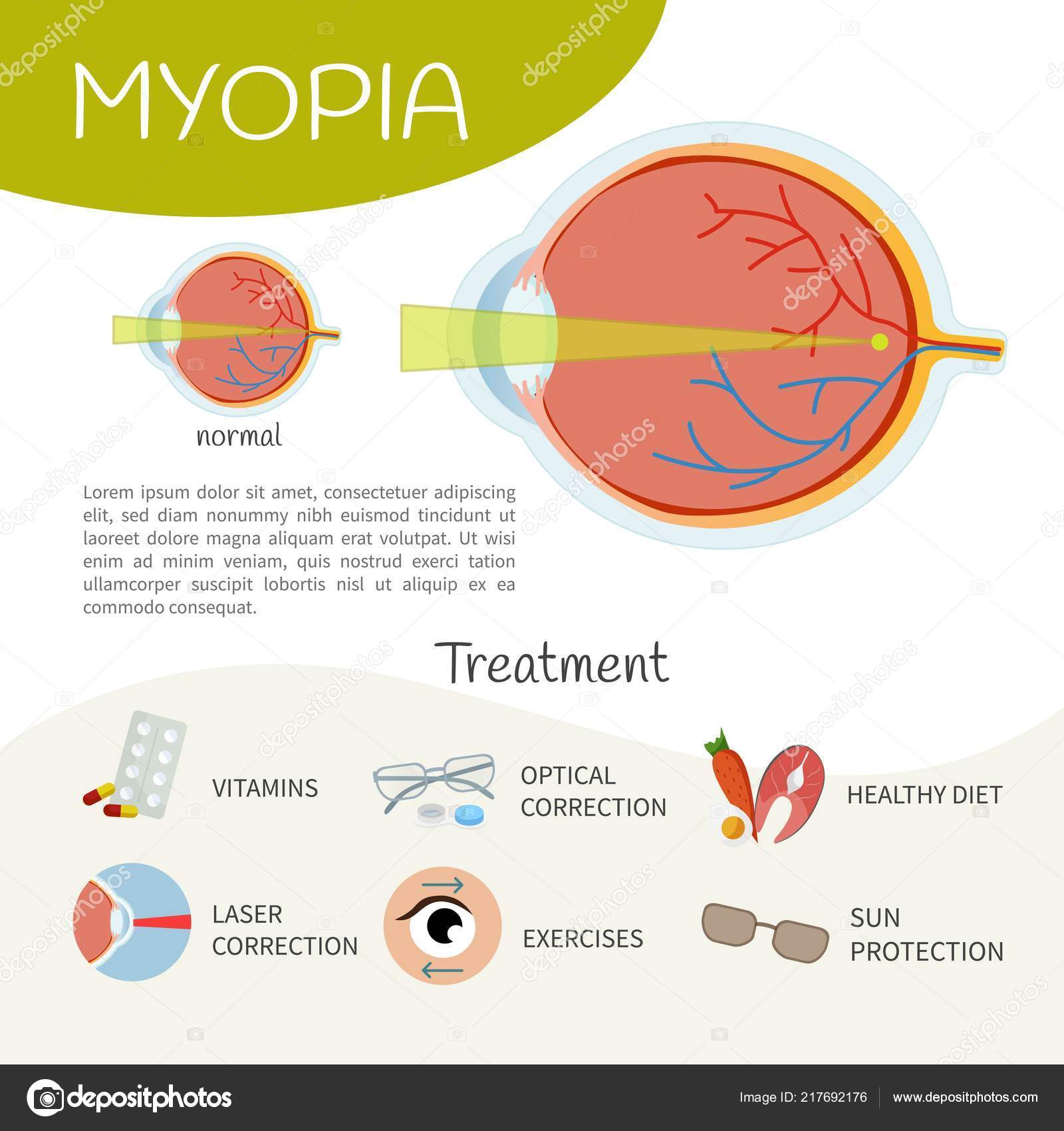
If your child deals with nearsightedness or farsightedness, corrective glasses or call lenses can help them see plainly.
For problems like amblyopia (lazy eye), treatments like covering the more powerful eye can improve vision in the weak one.
If your child has strabismus (crossed eyes), alternatives like vision treatment or surgical procedure might be needed to line up the eyes.
Regular eye examinations are vital for checking these conditions and adjusting treatments as needed.
Motivate healthy and balanced eye behaviors, like restricting display time and guaranteeing proper lighting while analysis.
Final thought
Finally, watching on your kid's vision is essential. Keep in mind to schedule their first eye examination by six months, and follow up at age 3 and about 5 or 6. If you notice indicators like scrunching up your eyes or grievances of headaches, do not wait-- consult a pediatric ophthalmologist. Early discovery and tailored solutions can make a significant difference in your kid's visual wellness and total wellness. Act currently to ensure they see the globe clearly!